
Cozy Hobbies and Mental Health: Why Slow, Comforting Activities Actually Help
My 外婆 (grandma) was an excellent knitter. During the poncho craze of the early 2000s, she made me several ponchos with mini ones for my dolls and stuffed animals. She taught me when I was about 12 years old. Needless to say, I made a lot of misshapen scarves. I off and on continued knitting throughout high school and college, with an uptick during finals seasons and winter break as a way to cope with stress. I’ve continued by love of cozy hobbies throughout adulthood—still knitting, but also crochet, cozy games (like Animal Crossing and Stardew Valley), coloring books, watercolors, ceramics, and more.
I love that I’m not alone in my love of a cozy activity and that there seems to be a general return to cozy hobbies: simple, sensory, low-pressure activities that invite presence rather than performance.
The best part about cozy hobbies is that it’s not about mastering a skills (although you often do improve) or monetizing your interests. They’re about engaging with ourselves in ways that feel grounding, soothing, and human. And from a mental health perspective, they’re one of the keys to rejuvenating our spirits and beating burnout.

What Are Cozy Hobbies?
Cozy hobbies are activities that ideally are:
Low-stakes (no grading or scoring)
Sensory or embodied
Repetitive or rhythmic
Often offline or low-screen stimulation
Chosen for enjoyment, not purely output
Examples include:
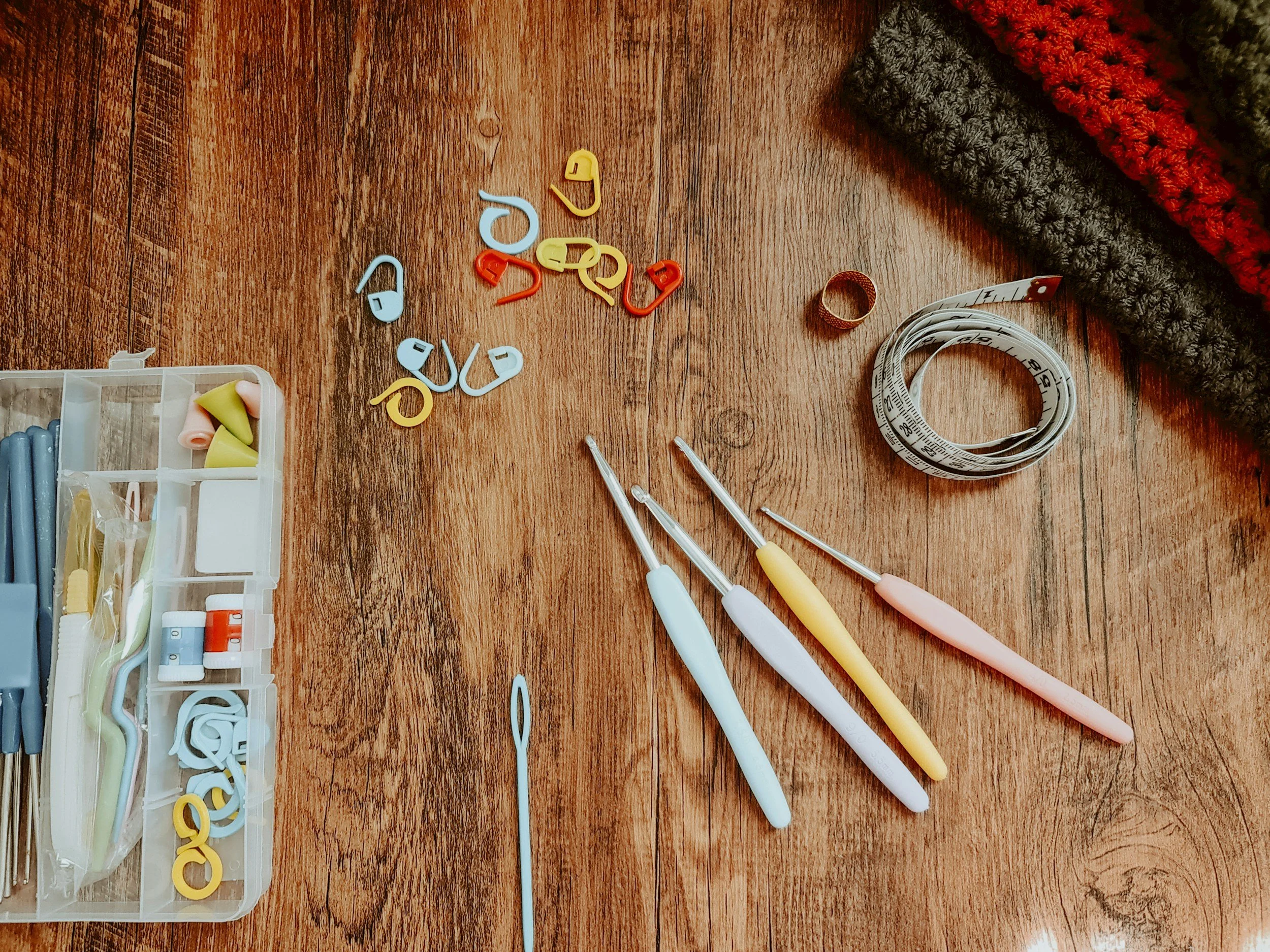
Knitting, crocheting, or hand sewing
Baking or cooking for joy not necessity
Reading for pleasure
Journaling or creative writing
Puzzles, crosswords, or coloring
Gardening or tending houseplants
Crafting (collage, watercolor, clay)
Listening to music or podcasts (or even cozy videos on YouTube)
Creating rituals
What makes these hobbies “cozy” is really more about the felt sense of safety, containment, and permission they create rather than the specific activity. You may find that another activity that’s not featured on this list, for you, invites a sense of presence and stress-relief. That’s great! Do that instead.
The Science: Why Cozy Hobbies Support Mental Health
From a clinical standpoint, cozy hobbies help because they directly support nervous system regulation.
Chronic stress and anxiety keep the body in a state of heightened alert (often referred to as fight, flight, freeze or fawn) Over time, this can contribute to emotional exhaustion, irritability, difficulty concentrating, and sleep disruption (McEwen, 2017).
Cozy hobbies help counter this by:
Engaging the parasympathetic (“rest and digest”) nervous system
Reducing cognitive load and rumination
Providing predictable, soothing sensory input
Increasing feelings of agency and safety
Research shows that repetitive, absorbing activities—like knitting, gardening, or creative arts—can lower cortisol levels and reduce symptoms of anxiety and depression (Fancourt et al., 2019; Van der Kolk, 2014). In other words: when your hands are busy and your expectations are low, your nervous system gets a chance to take a break from activation.
Cozy Hobbies and Burnout
Many people attempt to “recover” from burnout using activities that still demand attention, comparison, or performance (like scrolling or multitasking).
Cozy hobbies work differently. They offer:
A sense of completion without pressure
Intrinsic reward rather than external validation
A break from identity-based productivity (“I am what I produce”)
An opportunity to grow through perfectionist tendencies
This makes them especially supportive for people experiencing burnout, chronic stress, or anxiety.
Why Cozy Hobbies Help Anxiety Specifically
Anxiety thrives on uncertainty, speed, and mental overactivation. Cozy hobbies introduce the opposite: slowness, predictability, and embodied attention. Body-based research shows that engaging in rhythmic, sensory activities can help regulate anxious arousal and bring attention back to the present moment (Porges, 2011). This is why activities like knitting, baking, or walking can feel calming even when your mind feels busy, because they reconnect the mind-body connection.
Building Cozy Habits Without Spinning Out
Many people love the idea of cozy hobbies but struggle to actually start or maintain them. This is where habit science can help. If you haven’t read the book Atomic Habits by James Clear yet, I highly recommend it! He emphasizes that sustainable habits are built through small, identity-consistent actions, not motivation alone and gives tips and tricks to do so (Clear, 2018).
Here’s how to apply that framework to cozy hobbies:
1. Start Small (Smaller Than You Think)
Instead of:
“I’ll knit every evening.”
Try:
“I’ll knit for five minutes.”
Consistency matters more than duration. Small actions reduce resistance and build trust with yourself.
2. Attach the Habit to Something You Already Do
Atomic Habits calls this habit stacking.
Examples:
Journal while your coffee brews
Read one page before bed
Stretch while listening to music after work
Do a puzzle for five minutes after dinner
Linking cozy hobbies to existing routines increases follow-through and makes them less intimidating to remember or rebuild your whole routine around.
3. Focus on Identity, Not Output
Rather than:
“I need to finish this project.”
Shift to:
“I’m someone who enjoys slow, creative time.”
Instead of focusing on what you need to get done, think about how this hobby will help you live a more values-aligned life that feels authentic to who you are or want to be. This identity-based approach supports self-compassion and reduces perfectionism (Clear, 2018).
4. Make It Easy and Visible
Keep supplies accessible:
Leave yarn or a book out or within easy reach in the room you’d usually do the activity in
Keep a journal on your nightstand or even on the kitchen table
Store puzzles and coloring supplies under the coffee table
Pick a class or course that’s the shortest distance from your home or work
Lower the barrier to entry for the hobbies and they’ll be less cumbersome and more likely to stick.
How to Start Cozy Hobbies (with Examples)
If you want to start journaling:
Write one sentence per day
Respond to prompts like “Today felt…” or “Right now I notice…”
Practice “brain dumps” instead where you just write things in your stream of consciousness not focused on clear sentences
If you want to try knitting or crafting:
Choose a beginner project (that makes you feel excited) with no deadline
Focus on the sensation and the activity of making, not on the outcome of the project
If you want to read more:
Reread a favorite book or a new book from a beloved author
Read poetry, essays, or short-stories instead of long tomes
Start with an audio book (maybe one of the full casted or duet versions)
If you want a cozy evening ritual:
Light a candle with dinner
Make a warm drink when you wake up
Do one grounding activity for 5-10 minutes on your lunch break
Let’s Discover the Ideal Hobbies & Habits Together
If you really want to start getting more cozy with new hobbies and habits this year but already feel overwhelmed, let’s do it together! I work with adults navigating burnout and anxiety using a holistic, nervous-system-informed approach that includes lifestyle and habit changes alongside emotional support.
If you’re curious about therapy, I invite you to reach out to schedule a consultation call. Together, we can explore what helps you feel more grounded, regulated, and at ease.
References
Clear, J. (2018). Atomic habits: An easy & proven way to build good habits & break bad ones. Avery.
Fancourt, D., Steptoe, A., & Cadar, D. (2019). Cultural engagement and cognitive reserve: Museum attendance and dementia incidence over a 10-year period. British Journal of Psychiatry, 215(5), 1–7.
McEwen, B. S. (2017). Neurobiological and systemic effects of chronic stress. Chronic Stress, 1, 1–11.
Porges, S. W. (2011). The polyvagal theory: Neurophysiological foundations of emotions, attachment, communication, and self-regulation. W. W. Norton & Company.
Van der Kolk, B. (2014). The body keeps the score: Brain, mind, and body in the healing of trauma. Viking.