
Welcome to
Tiny Cottage Therapy’s Blog
A Holistic Mental Health Resource for Anxiety, Burnout & Cultural Identity

I’m Caitlin Blair, LCSW, LICSW and holistic psychotherapist in California & Washington State. I love helping people find more balance in their lives by building awareness & building practical habits to support their whole selves.

Why "Just Relax" Is the Most Useless Advice for Anxious People
If you've ever been anxious and someone told you to "just relax," you know exactly how well that works. Which is to say: it doesn't. If anything, it usually makes things worse, because now you're anxious and annoyed, and somehow also feeling like you're failing at calming down correctly.

Your Mind Deserves a Vacation: A Guide to Taking 30 Days Off Social Media
There is a particular kind of exhaustion that does not go away with sleep because it’s the kind that comes from being constantly available, stimulated, and measured against a feed full of other people's carefully curated lives. It’s the kind that comes from being chronically online and on social media. Social Media Burnout comes from absorbing the thoughts, opinions, and anxieties of thousands of strangers every single day from the moment you barely open your eyes until you fall asleep at night. It’s an addiction that never feels fed and always wants more from you.
If that sounds familiar, consider this your invitation for something new, restful, and revolutionary.

What is Somatic Therapy? A Jargon-Free Explanation
Okay, so it’s therapy that has to do with the physical body, but what does it actually mean in practice? What happens in a session? Why would working with the body help with something like anxiety or burnout or complicated family dynamics?
Let’s jump in…

What Does It Actually Mean to Be "High-Functioning" When You're AAPI?
From the outside, your life looks like it's working.
You’ve got a good job, or at least a respectable one. People would describe you as responsible. reliable, and respectable. You show up for everyone who needs you. You don't complain. You handle things. You are, by most external measures, fine.
And yet, you are so tired.

Your AAPI Anxiety Bag: A Guide for AAPI Centered Sensory Toolkits
You've probably seen it on TikTok: a small, carefully curated pouch someone pulls out during a stressful moment. Inside are usually a few items, nothing fancy, but somehow everything. That's an anxiety bag, and it's become one of Gen Z's most genuinely helpful mental health tools. If you're part of the AAPI community.

What Is Brainspotting and How Is It Different from EMDR?
Brainspotting is one of those approaches that sounds stranger than it is (the name probably doesn’t help) and works better than you might expect. It's also frequently lumped together with EMDR because both involve eye positioning, which leads to a lot of confusion about what makes them different and when one might be more useful than the other.

What Poetcore, Wilderkind, Cottagecore, & Mystic Outlands Aesthetics Say About Our Mental Health Right Now
Aesthetics like poetcore, wilderkind, cottagecore, and mystic outlandes are a part of Pinterest’s Trend Predictions and they say a lot more about us than just trending aesthetics and popular themes. These trends are showing a great cultural shift about what people are craving within the context of our current state of our world: slowness, meaning, grounding, and relief from constant performance for others’ gaze.
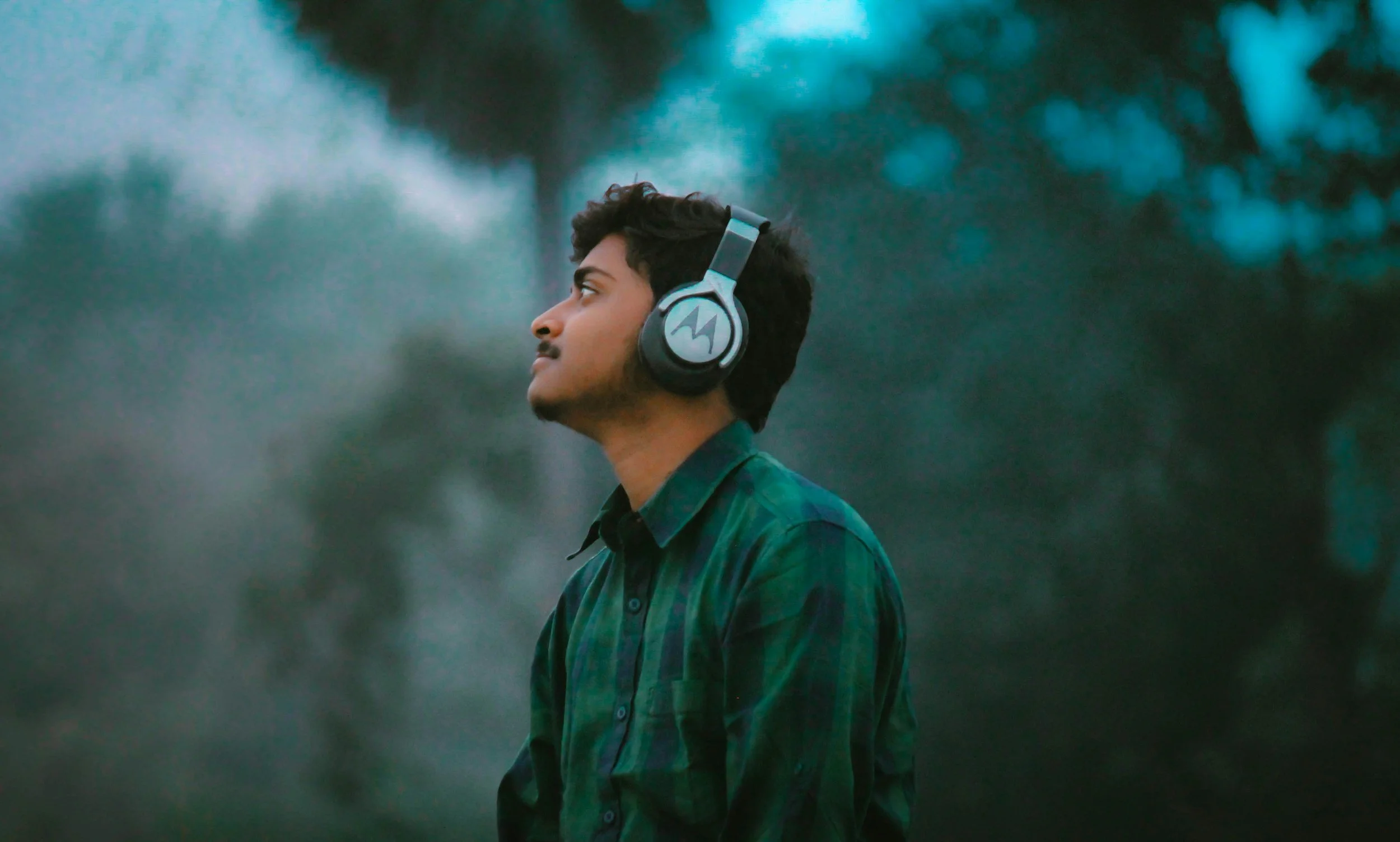
EMDR vs. Talk Therapy: What's the Difference and Which Is Right for You?
You've probably heard of talk therapy. Maybe you've even tried it. You sit with a therapist, you talk about what's going on, you gain some insight, you leave feeling a little lighter (or sometimes a little heavier, but in a way that feels necessary and important).
And then someone mentions EMDR and you think: wait, is that the one with the eye movements? Is that the one I’ve seen blowing up on Tik Tok or on my favorite reality show? Is that... hypnosis? Is that for people with serious trauma, or is it for anxiety too?

Navigating College Graduation: How Therapy Can Support You Through This Major Life Transition
You did it! (Please read in Elle Woods’ voice from Legally Blonde). You're graduating from college or maybe you're in your senior year, already feeling the anticipation of what’s to come. There's a cap and gown somewhere in your near future, and everyone around you seems so excited. But if you're being honest, you might be feeling something more complex than pure celebration.

Should You Seek Therapy After Getting Engaged? Why Individual Support Matters During This Life Transition
Congratulations!! you're engaged! You said yes to spending your life with your person, and everyone around you seems thrilled. There are (presumably) champagne toasts, excited phone calls, and probably already some unsolicited opinions about your wedding plans. It's supposed to be one of the happiest times of your life, right?
So why do you feel so...complicated?
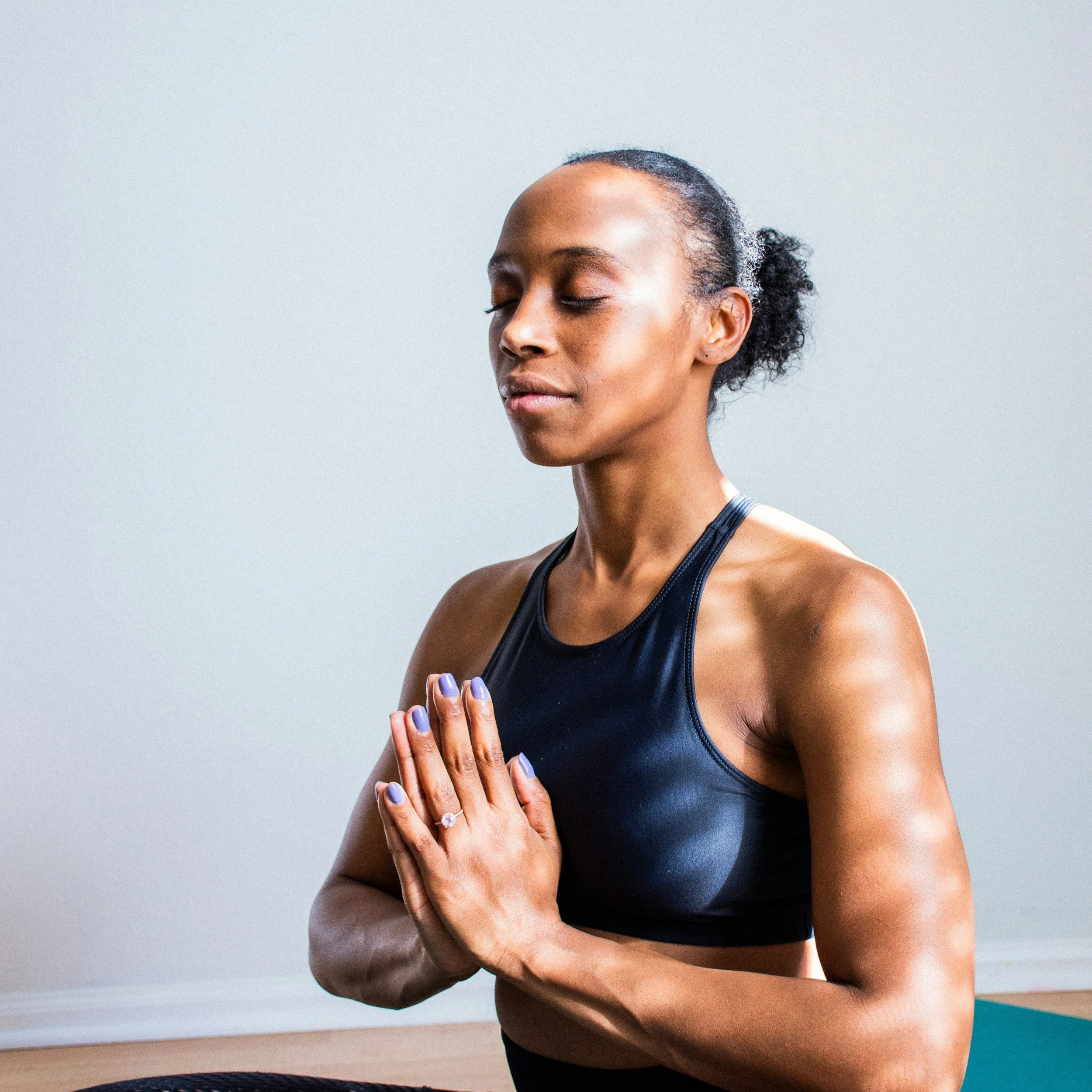
The Ancient Art of Breathing: How Somatic Breathing and Pranayama Can Help with Stress and Anxiety
When life feels overwhelming and your to-do list seems never-ending, what's the first thing people tell you? "Just breathe." And while it might feel dismissive in the moment, there's actually profound wisdom in that advice. Our breath is one of the most powerful tools we have for managing stress and anxiety, and it's been recognized as such for thousands of years.

Allostatic Load: Why Chronic Stress Leaves You So Burned Out
When you’re burned out, it can feel like your energy never quite comes back. It doesn’t seem to matter how much you “rest”, take time off, or try to relax. You may be still appear to be functioning and fulfilling your daily duties, but everything feels a little harder than it used to. There’s a name for this experience: allostatic load.
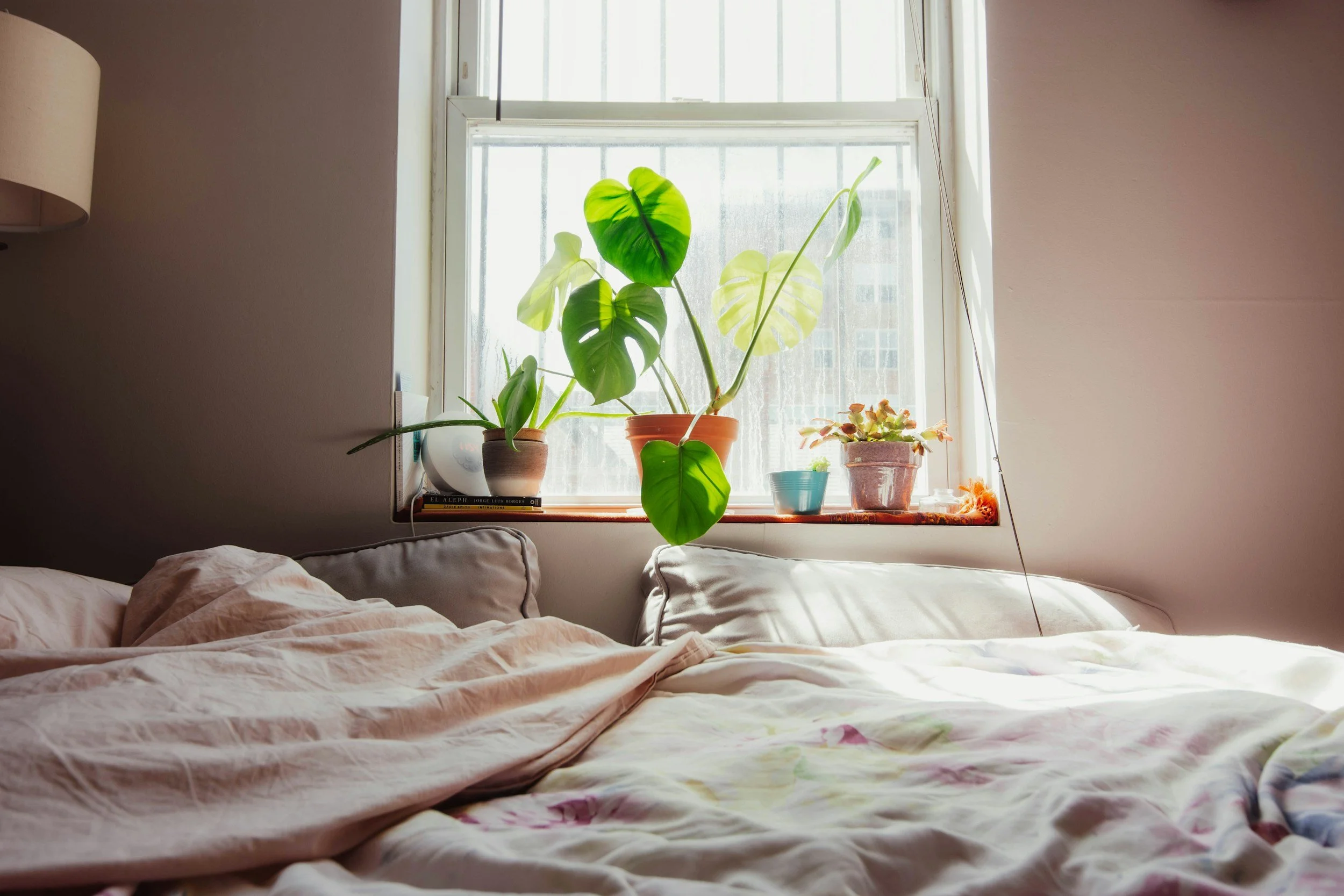
Why You’re Still Tired Even Though You Sleep
You’re going to bed. You’re even getting the recommended number of hours. And yet, you wake up feeling foggy, heavy, or already behind.
That’s because it’s not really about sleep, it’s about your lack of restorative rest. Sleep and rest aren’t the same thing and it’s important to understand the difference and how to get both.
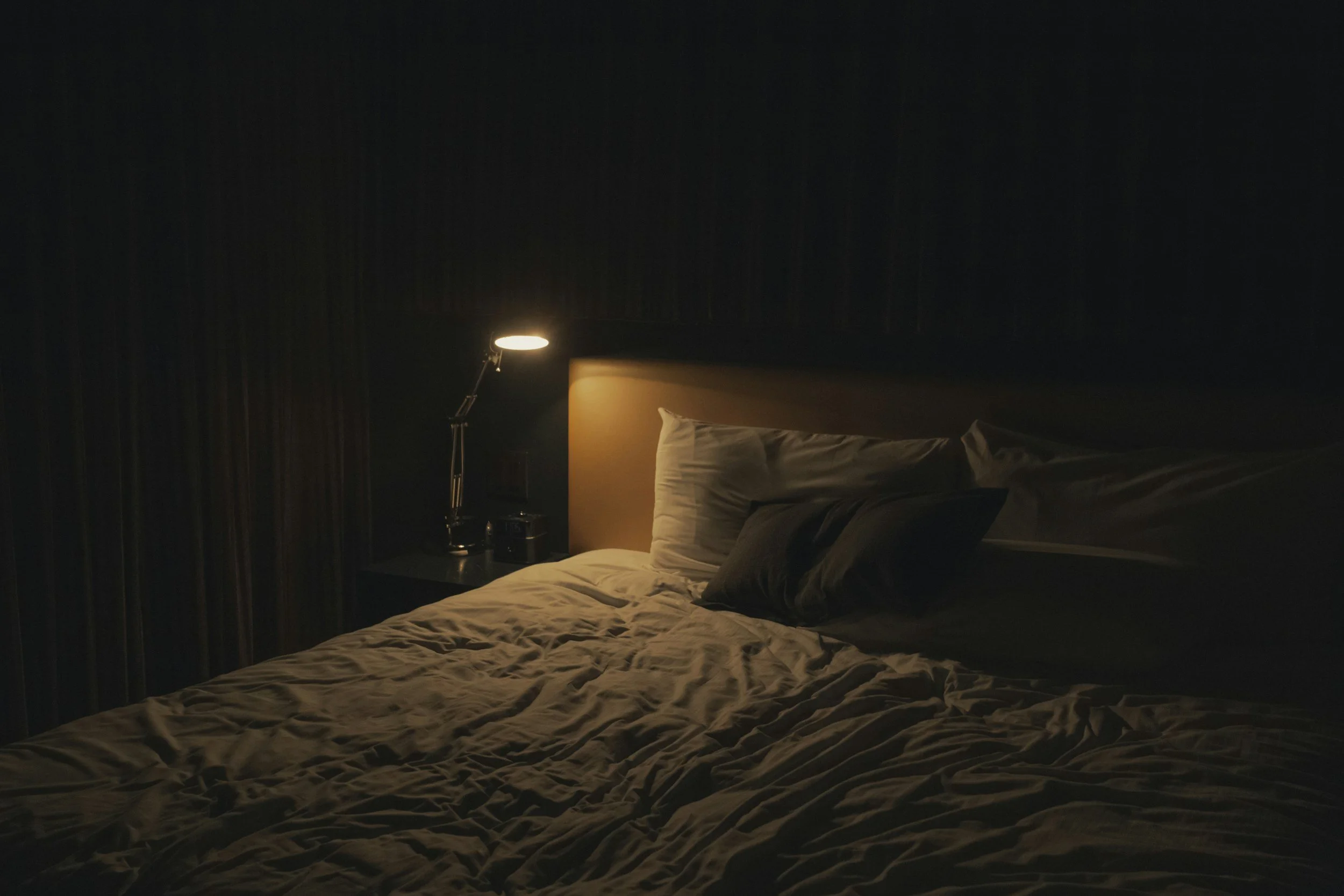
Sleep in an Overstimulated World
“Why can’t I sleep?" “How can I fall asleep faster?” These are two of the top mental health-related google searches of this year. And it’s no wonder, because we’re living in a world that rarely lets our nervous systems fully relax. Even when we’re technically resting, we’re often still taking in information, others’ emotion, and stimulation.
For many people, the issue isn’t that they don’t want to sleep or don’t know the basics of sleep hygiene. It’s that our bodies are getting all kind of mixed signals about when and how they are supposed to power down.

Anxiety Isn’t All in Your Head: Understanding the Vagus Nerve
Polyvagal theory gives modern language to that ancient knowing. It helps explain how anxiety lives in the body, why talk alone doesn’t always help, and how small, embodied shifts can change how safe you feel day to day. Let’s dive into learning about the vagus nerve and how it can actually apply to your daily life to support anxiety and overwhelm.
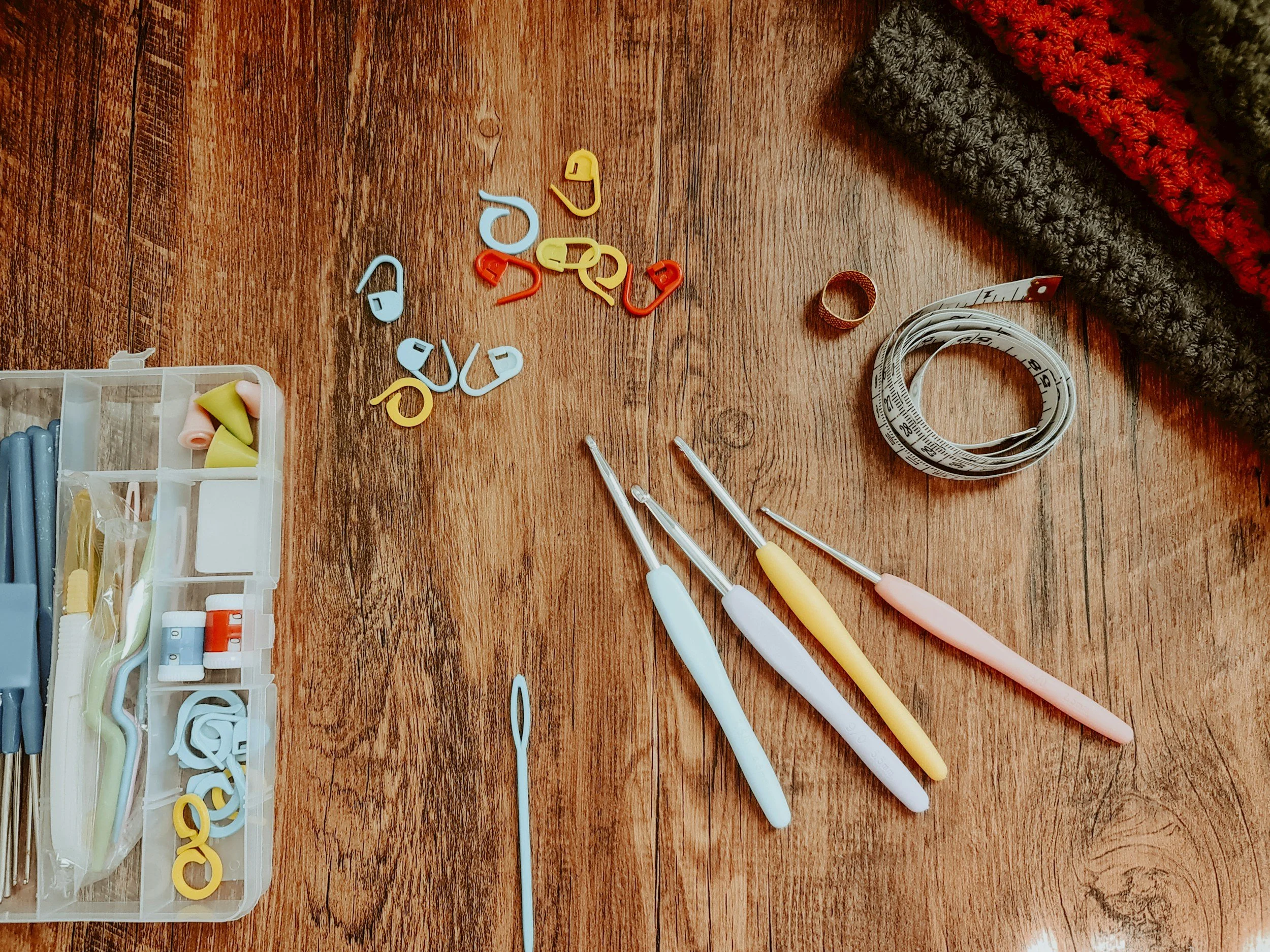
Cozy Hobbies and Mental Health: Why Slow, Comforting Activities Actually Help
The best part about cozy hobbies is that it’s not about mastering a skills (although you often do improve) or monetizing your interests. They’re about engaging with ourselves in ways that feel grounding, soothing, and human. And from a mental health perspective, they’re one of the keys to rejuvenating our spirits and beating burnout.

Highly Sensitive People: Understanding Burnout, Anxiety, and the Strength of Sensitivity
Have you ever felt like you experience the world more intensely than others? Maybe you’ve even been put down by others for being “too sensitive”. To you, sounds feel louder, emotions run deeper, and subtle shifts in mood, energy, or environment are quickly and easily noticeable. Let’s talk about understanding sensitivity through a compassionate lens that still offers room for relief and growth.

Going Analog in 2026: How to Balance Technology, Burnout & Anxiety
As we move into 2026, many people are feeling drawn toward the idea of “going analog.” This interest a response to the exhaustion that comes from living in a world where screens touch nearly every part of our lives. Technology can be incredibly helpful, offering access to care, flexibility, creativity, and connection. At the same time, when digital engagement becomes constant and unavoidable, it can quietly contribute to burnout, anxiety, and a sense of disconnection.
The question most people are really asking isn’t “Should I quit technology?” but rather, “How do I use it in a way that actually supports my mental health?”
Interested in Therapy Together?
Schedule a Free 15-Minute Consultation
I offer a complimentary 15-minute phone consultation to discuss your needs and see if we're a good fit for working together. This brief call gives you a chance to ask questions and get a feel for my therapy approach without any obligation.
What to expect during our consultation:
A brief discussion about what brings you to therapy
An overview of how I might support your specific needs
Answers to your questions about the therapy process
Information about session rates and scheduling
Taking the first step toward therapy can feel vulnerable, I'm here to make the process as comfortable as possible