
What Poetcore, Wilderkind, Cottagecore, & Mystic Outlands Aesthetics Say About Our Mental Health Right Now
Aesthetics like poetcore, wilderkind, cottagecore, and mystic outlandes are a part of Pinterest’s Trend Predictions and they say a lot more about us than just trending aesthetics and popular themes. These trends are showing a great cultural shift about what people are craving within the context of our current state of our world: slowness, meaning, grounding, and relief from constant performance for others’ gaze.
Seen through a mental health lens, these trends also point to something larger: collective burnout and anxiety. Across generations and social groups, many of us are feeling overstimulated, disconnected from ourselves and nature, and exhausted by societal demands. I believe that the aesthetics we’re bring drawn to right now reflect our shared strategies for nervous system repair and emotional regulation. So how do we do this in a way that’s not just about buying new stuff or posting trending content? How do we do this in a way that is actually aligned with our wellness and mental health?

Poetcore: A Longing for Meaning, Language, & Rich Inner Life
Poetcore leans into notebooks, soft lighting, worn books, long walks, and introspection. It’s reflective, inward-facing, and often tinged with melancholy.
What it reflects emotionally:
A desire to slow down, to process life through language, and to be seen beyond productivity. Poetcore often resonates with people who feel emotionally deep but overstimulated by modern life. Its for those craving quiet safe space to think, feel, and make meaning.
Needs that you might need met:
Emotional expression without urgency nor pressure
Permission to be reflective rather than reactive
Space for complexity and nuance
Supportive habits inspired by poetcore:
Journaling without prompts (just “what wants to be said today?”)
Reading poetry or essays slowly, without searching for what others have to say about the work
Taking solo walks and letting thoughts wander
Keeping a junk journal or notebook for quotes, feelings, fragments
This aesthetic reminds us that tending to our inner world is one of the greatest forms of self-care.
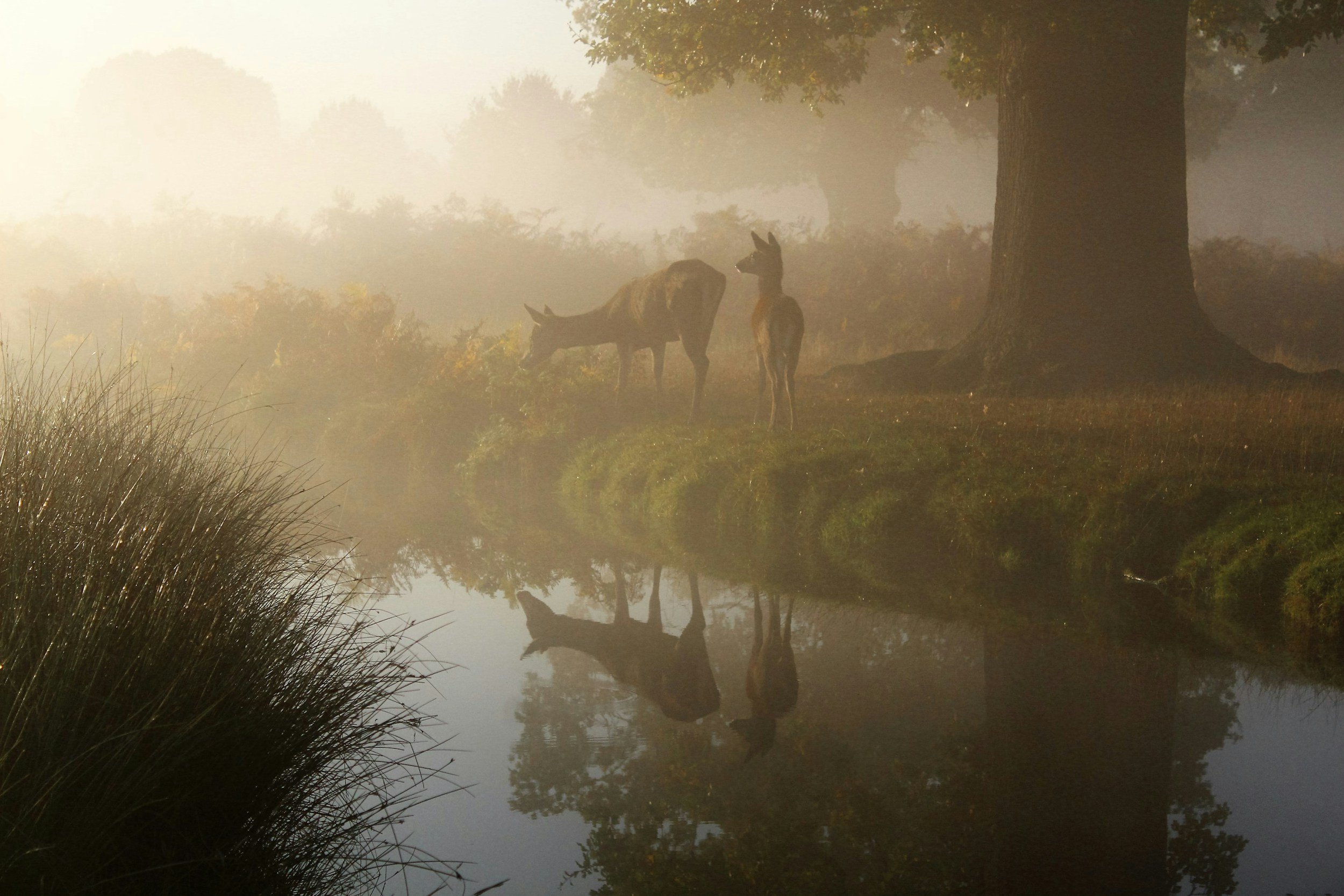
Wilderkind: Reclaiming Instinct, Body, & Innate Wildness
Wilderkind aesthetics center earth tones, forests, fire, movement, and a sense of feral freedom. There’s less polish here, and more natural instinct. It brings in sensations of Spring, rebirth, gentleness with an edge of realness.
What it reflects emotionally:
Burnout, disconnection from the body, and a longing to feel alive rather than optimized. Wilderkind is a direct rebellion to feeling overly managed by schedules, screens, and capitalistic expectations.
Needs that you might need met:
Reconnection with the body
Release of pent-up stress and energy
Permission to be messy, physical, and untamed
Supportive habits inspired by wilderkind:
Hiking, trail walking, or being outside
Intuitive movement (stretching, shaking, dancing)
Breathwork or vocal release (sighing, humming, sound-making)
Spending time barefoot or grounded in nature
Wilderkind speaks to a need for somatic release and letting the body finish what stress has started, often utilizing nature as a channel to do so.

Cottagecore: Creating Safety, Simplicity, & Nervous System Rest
Cottagecore emphasizes cozy lifestyle rituals, warmth, routine, and comfort: baking bread, tending plants, gentle mornings, familiar rhythms. A desire to be amongst nature and creating a safe haven in tune with slow and natural living.
What it reflects emotionally:
A collective exhaustion and a desire for predictability and safety in an uncertain world. Cottagecore often appeals to people whose nervous systems are tired of constant change and demand.
Needs that you might need met:
Safety and containment
Predictable rhythms and relationships
Sensory comfort and a space form overstimulation
Emotional, physical, and spiritual security
Supportive habits inspired by cottagecore:
Morning or evening rituals (tea, candle-lighting, quiet music)
Cooking cultural or familiar meals
Tending plants or small home projects
Reducing decision fatigue through routines
Curating cozy hobbies
Cottagecore reminds us that healing often craves consistency, dependability, and patience.

Mystic Outlands: A Yearning for Enchantment, Depth, & Inner Stillness
Mystic Outlands highlights a collective movement toward evocative, enchanted, and atmospheric places: misty ruins, ethereal forests, windswept highlands, and landscapes that feel ancient, otherworldly, and quietly powerful.
What this trend reflects emotionally:
We are longing for spaces that feel bigger than our routines, older than our anxieties, and alive with mystery in order to search for meaning, belonging, and a sense of something beyond the constant hustle. We crave experiences that feel ancient, sacred, and unhurried.
Needs that you might need met:
A deeper relationship with the natural and/or spiritual world
Experiences that feel slow, ritualistic, and expansive
Transformative philosophical and/or existential perspective shifts
Nervous system soothing through sensory richness rather than urgency
Supportive habits inspired by mystic outlands:
Plan time in local woods, coastal fog, or botanical gardens
Recreate your space to evoke a sense of calm.
Practice slow, contemplative walks (no phone) where attention is on senses
Sketch, paint, or journal about landscapes and nature
Mystic Outlands reminds us that humans naturally crave experiences that feel bigger, older, and more reverent than our modern worries.
What These Trends Have in Common
Across aesthetics, we see shared desires:
Slowing down
Reconnecting with body, mind, and environment
Resisting constant productivity
Seeking safety, meaning, and authenticity
Viewed through the lens of mental and holistic health, these trends are collective signals: we are burned out, overstimulated, and craving practices that restore balance and regulate our nervous systems.
From Aesthetic to Practice
You don’t need to fully “live” one core to benefit. These aesthetics can be guides to practices that nourish mental and holistic health.
Ask yourself:
What part of this aesthetic feels nourishing right now?
What is my nervous system asking for?
How can I bring this into my daily life in small, grounded ways?
Seeking More Support?
Therapy can help explore these longings and translate them into practices that actually restore balance.
If you’re curious about support, I invite you to reach out for a consultation call.