
Why This Trend Should be Amplified for AAPI Communities
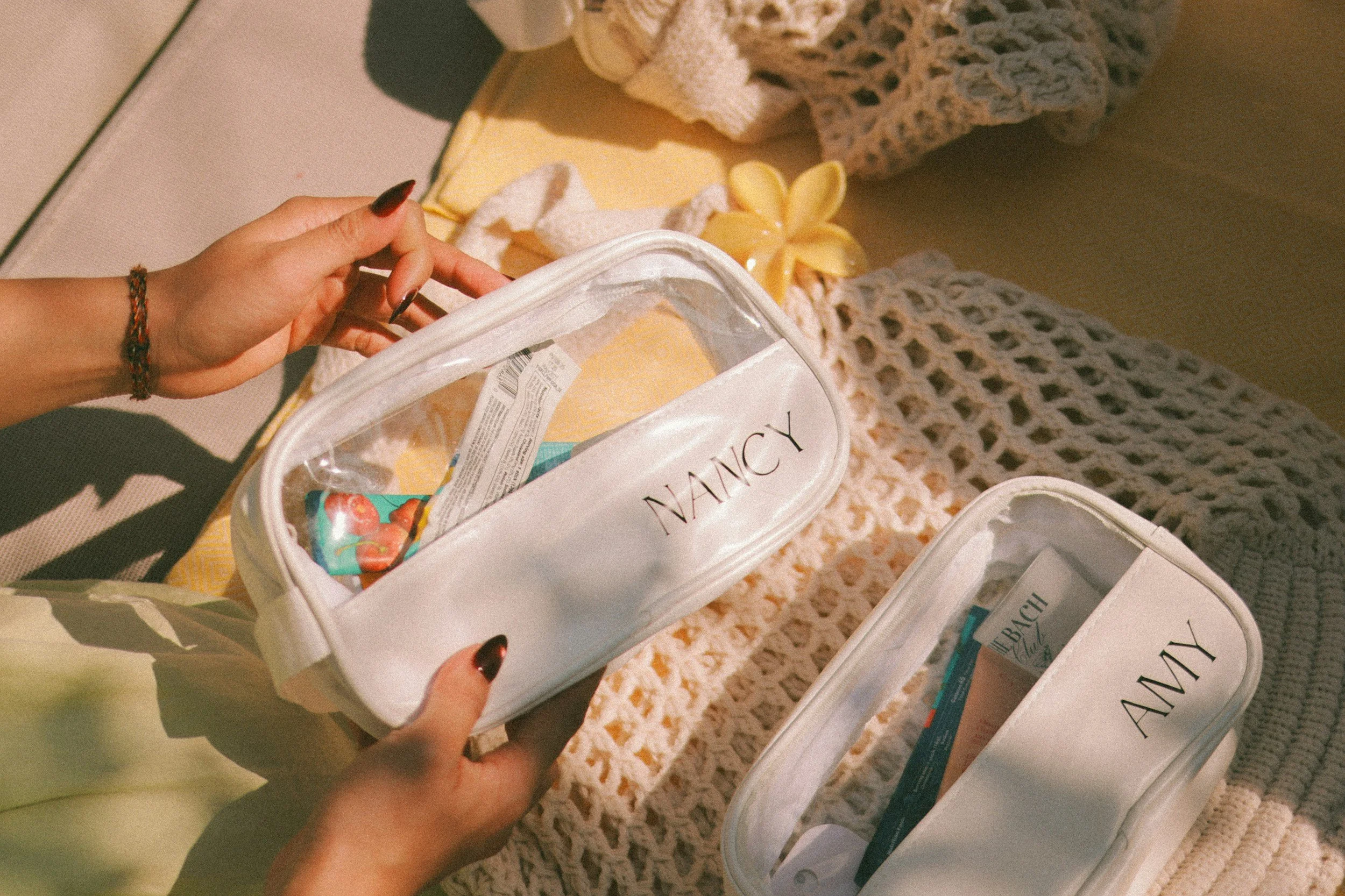
You've probably seen it on TikTok: a small, carefully curated pouch someone pulls out during a stressful moment. Inside are usually a few items, nothing fancy, but somehow everything. That's an anxiety bag, and it's become one of Gen Z's most genuinely helpful mental health tools. If you're part of the AAPI community—especially if you're navigating burnout, people-pleasing, perfectionism, or the weight of holding two (or more) cultures at once—this trend is worth paying extra attention to for reasons that go deeper than aesthetics. AAPI individuals are among the most likely to experience anxiety without ever officially naming it as such. Many of us grew up in households where mental health wasn't openly discussed, where "pushing through" was the only option, and where asking for help felt impossible. Burnout gets dressed up as ambition. Anxiety gets reframed as conscientiousness. And somewhere along the way, we forget what it feels like to simply feel “okay”. An anxiety bag won't fix systemic pressures or intergenerational patterns, but it can give you something real, tangible, and portable to reach for when your nervous system is overwhelmed. And when it's personalized to your own cultural identity, it has the potential to become something even more powerful. Prep yourself a little anxiety bag as a small act of radical self-care that feels personalized to you and your needs.
So What Is an Anxiety Bag, Exactly?
An anxiety bag (sometimes called a grounding kit or sensory toolkit) is a portable collection of items designed to help you regulate when life feels overwhelming. Think of it as your portable calm kit to reach for during crowded subway rides, high-stakes work moments, or those 2am spirals when your brain won't quiet down. The science behind it is when anxiety spikes, engaging your senses helps ground and signal to your nervous system that you are safe. Each item you reach for ideally anchors you back to the present moment, into your body and out of your head. The bag itself also becomes grounding in itself because you know you have tools and resources available if you get panicked or overwhelmed. You feel like you are prepared for the unexpected, which is one of the biggest healing balms for anxiety. Making physical contact with the items in your bag can actually get your out of an anxiety spiral. For many in the AAPI community, navigating anxiety can carry an extra layer: cultural expectations around stoicism, model minority pressures, intergenerational silence around mental health. The most effective anxiety bags speak to all five senses. Here's how to build yours with ideas that honor your AAPI identity.
Touch: Grounding Through Your Hands
Tactile input (or touch) is one of the fastest routes to the present moment. Something textured, smooth, cool, or satisfying to hold gives your hands something real to report back to your nervous system. There’s a reason why fidget toys have become immensely popular. Temperature-based items like a cool stone can be especially powerful for calming an activated stress response.
Some ideas:
Jade roller or gua sha stone. Cool, smooth, and rooted in Traditional Chinese Medicine. Rolling the jade across your wrist or palm is both tactile and a ritualistic act of ancestral self-care.
Mala beads or prayer beads. Used across Buddhist and Hindu traditions throughout Asia, moving through 108 beads is meditative and grounding. Bonus: choose sandalwood so it can double as an item that also engages your sense of smell.
Smooth worry stone. Look for one in jade, aventurine, or rose quartz, stones commonly used in East and Southeast Asian wellness practices. Rub your thumb in the indentation during stressful moments. (I use one constantly, mine is flowering quartz!)
Mini stress ball or NeeDoh cube. A satisfying squeeze gives your nervous system a healthy outlet. Look for ones in muted, aesthetic earth tones or your favorite calming color. (I usually keep a purple one on my work desk).
Smell: The Fastest Path to Memory and Safety
Scent has a direct neurological link to the brain's limbic system, which is our hub of emotion and memory. A familiar scent can shift your nervous system almost instantly, there’s a reason smelling our favorite foods feels like instant childhood nostalgia. For AAPI individuals, the scents of a childhood home, a grandmother's kitchen, or incense at the temple can carry profound comfort.
Some ideas:
Tiger Balm (classic red or white). A beloved staple in many AAPI households. The camphor and menthol scent is immediate, grounding, and deeply nostalgic. Rub a tiny amount on your wrists or temples, or just smell straight from the mini jar.
Japanese hinoki or yuzu roll-on. Hinoki cypress is used in traditional Japanese bathing rituals for its deeply calming, woodsy aroma. Yuzu citrus is bright and uplifting. Both come in convenient roll-ons.
Sampaguita or jasmine sachet. Sampaguita (Filipino jasmine) is the national flower of the Philippines and is commonly used in garlands and offerings. A small dried sachet brings that sweetness and comfort wherever you go.
Agarwood or oud mini spray. Deeply grounding, resinous, and sacred, agarwood is used in incense and ceremonies across East, South, and Southeast Asia. A small purse spray brings centuries of calm.
Taste: Anchor Yourself Through Flavor
The act of chewing and tasting gives your body something immediate to attend to, shifting focus away from racing thoughts. Sour, minty, or sharp flavors are particularly effective because they deliver a quick sensory reset and help activate the vagus nerve. Choosing flavors tied to your cultural memory makes them doubly comforting.
Some ideas:
Sour plum candy (huamei). Salted, sour, sweet dried plum candy is a beloved Chinese snack with a sharp, complex flavor that immediately demands your full attention, which is perfect for interrupting anxiety spirals.
Individually wrapped matcha mints. The grounding ritual of matcha plus the naturally calming L-theanine (a unique amino acid found in green tea that promotes relaxation, reduces stress, and improves focus without causing drowsiness) in a convenient mint. Brands like Ippodo or Itoen make cute mini options.
Ginger chews. Used across Korean, Chinese, and Southeast Asian medicine for centuries, ginger is warming and grounding. These also help settle an anxiety-upset stomach, making them a two-for-one. Great especially for nerves around travel.
Lychee or mango gummy candy. (One of my personal favs) Something sweet with the flavors reminiscent of a summer fruit platter at a family gathering. Sour-coated mango strips deliver a sharp flavor hit too.
Sound: Your Personal Soundtrack for Calm
Sound is the sense that travels furthest. It can reach you even when your eyes are closed and your hands are full. Unlike physical objects, your sound items live on your phone. Think of them as curated playlists for you to intentionally return to in moments of high stress.
Some ideas:
Noise-canceling earbuds or earplugs. Sometimes the most grounding thing is silence, especially for those who may get overstimulated in crowds, public transit, or other loud environments.
Lo-fi or City Pop playlist. Japanese City Pop (think Mariya Takeuchi, Tatsuro Yamashita) has a warm, nostalgic quality that soothes without demanding a ton of attention. Download a playlist for when you don't have WiFi.
Meditation bowl app or mini bell. Tibetan singing bowls are used in Buddhist mindfulness traditions across Asia. If you feel silly carrying around a physical bowl, apps like Insight Timer have virtual bowl sounds.
A voice memo or voicemail from someone you love. Save a short voice note from a grandparent, parent, or dear friend, even just a podcast in your family's language. Hearing a beloved voice, especially in your mother tongue, can be deeply regulating.
Sight: Something Pleasant to Return To
Visual grounding is about giving your eyes somewhere intentional to land on that signals beauty, safety, or meaning. In moments of high stress it’s better to avoid overstimulating screens or doomscrolling. Instead, think about having a physical or intentional visual anchors that you have pre-chosen for yourself.
Some ideas:
A small printed photo or postcard A favorite family photo, a postcard of a favorite destination, or an image that carries deep meaning. Laminate it so it survives bag life.
Mini coloring book in Mandala-inspired patterns. Mandalas have been proven to be especially calming but alternatives could include for ones inspired by Japanese ikebana, Chinese brush painting, or Southeast Asian batik patterns. The focused, repetitive activity of coloring calms the brain and invites presence.
Fortune slip or affirmation card. Inspired by omikuji fortune slips from Japanese shrines, write your own grounding affirmations on small slips. Pull one when you need a gentle reminder.
A calming phone wallpaper. Set a dedicated calm wallpaper. Tap your phone home screen for something intentional can mitigate a doom-scroll reflex.
Bonus: Make It Personal
The most powerful thing in your anxiety bag isn't a specific product, it’s stuff that connects with you. Your bag should be like a living thing. It needs regular curation, updates, and personalization. Here's how to make it feel specifically yours.
Some ideas:
Write grounding phrases in your family's language. A small card that reads "慢慢来" (take it slow) in Mandarin, or another phrase in your home language can feel more grounding than the English equivalent. Our nervous system often responds to languages we heard during childhood.
Include something from your ancestors. A small red envelope (hongbao), a tiny piece of fabric from your grandmother's sari or hanbok, a coin from your family's home country, or a favorite piece of jewelry. Objects with lineage carry a sense of being held by more than just yourself.
Add a ritual, instead of an object. Decide that every time you open your bag, you take three slow breaths first. Ritual creates predictability which calms the anxious brain.
Let your bag reflect your specific story. Are you first-gen navigating spaces that weren't built for you? A child of immigrants holding two cultures at once? Let your bag acknowledge that. Maybe that means a small note to yourself: "You are allowed to take up space here” or “You belong here.”
Honor what your culture taught you (and what it didn't). Many AAPI families showed love through acts of service like food, sacrifice, indirect conversation about feelings. Your anxiety bag can be an act of giving care to yourself.
You Deserve to Feel Supported
Building an anxiety bag is one small, tangible step toward having what you need when things get hard. But sometimes a pouch of grounding tools isn't enough, and that's okay too. Therapy can offer the deeper support that no anxiety bag can replace.
Caitlin Blair, LCSW is the therapist behind Tiny Cottage Therapy. She specializes in supporting AAPI individuals navigating anxiety, burnout, identity, and the unique emotional landscape of holding multiple cultures at once. Her approach is warm, culturally informed, and rooted in the belief that healing doesn't require leaving your roots at the door.
Ready to go deeper? If you're an AAPI individual ready to explore what's underneath the burnout and anxiety, Tiny Cottage Therapy is here for you. Contact me here to get started.