
Bridging Tradition & Modern Science: A conversation with a Traditional Chinese Medicine Doctor & Acupuncturist
Welcome back to my interview-style blog series at Tiny Cottage Therapy focused on how different healing professionals support mental health and wellbeing.
This goal is to share perspective from different professionals on how therapy and holistic approaches can work together to support clients. My goal is to offer readers an accessible, educational resource that highlights the value of integrated care, not to promote any specific treatment or provider.
Today, I’m interviewing Dr. Deborah Ma (aka Dr. Deb) of Puzzle Acupuncture in San Francisco
Dr. Deb is a Doctor of Traditional Chinese Medicine (TCM) and a licensed acupuncturist with over 17 years of clinical experience. Her journey in medicine began at the Beijing University of Chinese Medicine—the world’s top TCM university—where she earned both a medical degree and PhD. She spent a decade working at Beijing United Family Hospital, China’s premier private hospital, where she collaborated daily with OB/GYNs, neurologists, and pediatricians.
At Puzzle Acupuncture, Dr. Deb specializes in what others might call "difficult" cases—specifically nerve injury rehabilitation, chronic pain, and maternal health (including postpartum care). She views the body as a puzzle (hence the name of her practice); when patients are told their condition is "impossible," she believes you just haven't found the right pieces to solve it yet.
Some people may not be familiar with TCM, could you give us some background of its approach to health?
TCM is a comprehensive medical system that has been refined over thousands of years. Unlike Western medicine, which often isolates symptoms, TCM views the body, mind, and emotions as an interconnected landscape. We look for patterns of disharmony.
For example, we map emotions directly onto organ systems with poetic precision: happiness relates to Heart energy, while grief or sadness often lodges in the Lungs. When I treat a patient, I’m not just looking at a "migraine" or "anxiety"; I’m reading the story written on their tongue and pulse to understand the underlying imbalance in their Qi (vital energy) and blood. It’s about restoring flow and balance so the body can heal itself.
How does your approach reflect a more “modern” take on TCM?
To me, being "modern" means I’m not your typical doctor who stands on a pedestal handing out a rigid list of "dos and don'ts." I believe that for healing to be sustainable, it has to fit into your actual life, not the other way around.
Instead of giving strict orders, I create customized plans that adapt to your specific lifestyle, constraints, and goals. My approach is also deeply collaborative. I don’t work in a silo; I actively partner with specialists across many departments—bridging the gap between Western medicine (like OB/GYNs and neurologists) and other holistic modalities. It’s about building a team around you and finding the solution that works for your unique reality, rather than forcing you to follow a generic rulebook.
What is acupuncture and how is it helpful?
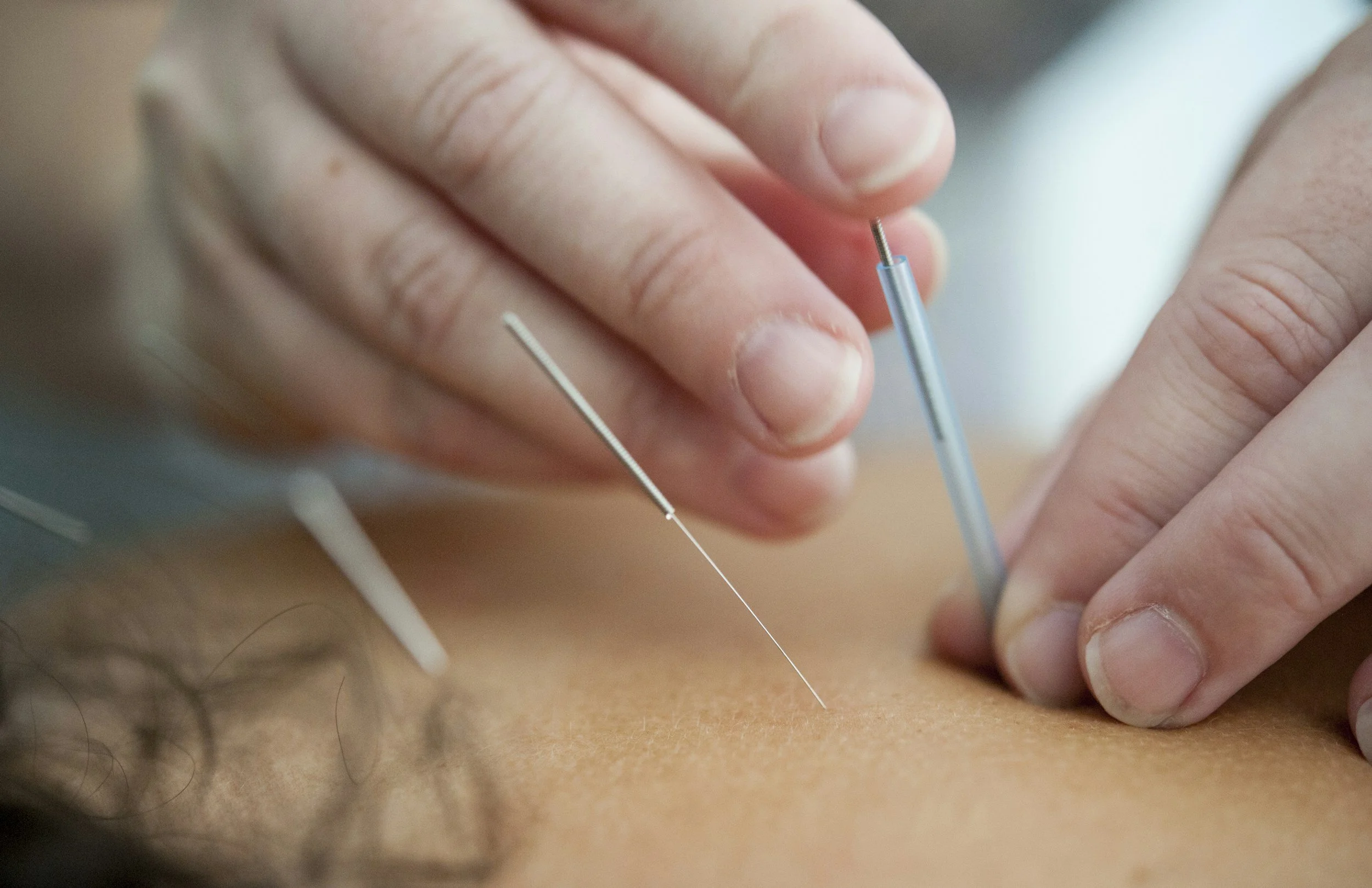
Acupuncture involves the insertion of hair-thin, sterile needles into specific points on the body. From a scientific perspective, it works through mechanotransduction—stimulating these points triggers a cascade of intracellular signaling that promotes healing, releases endorphins (natural painkillers), and lowers pro-inflammatory cytokines.
It is incredibly helpful for regulating the nervous system. It shifts the body from a "fight or flight" sympathetic state into a "rest and digest" parasympathetic state. This makes it effective not just for pain, but for anxiety, insomnia, digestive issues, and hormonal balance.
What other holistic approaches do you use in treatment?
My practice is multimodal because every "puzzle" requires different pieces. Beyond traditional acupuncture, I use:
Cheek Acupuncture & Fu’s Subcutaneous Needling (FSN): Specialized techniques for immediate pain relief and deep tissue release.
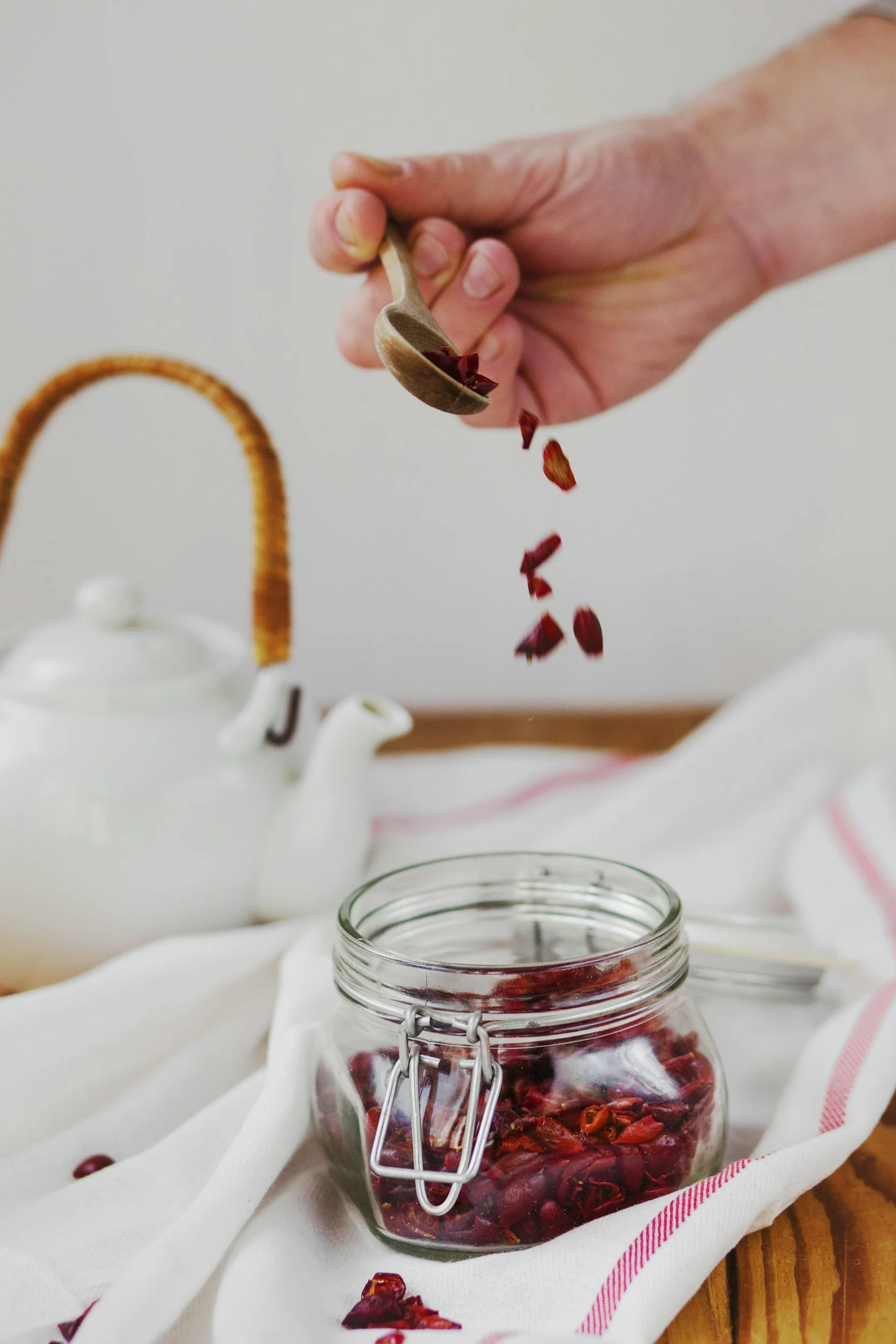
Herbal Medicine: Custom formulas to nourish internal deficiencies (like blood or Qi).
Infant Massage & Pediatric Care: I work extensively with children for issues like allergies and digestion.
Nutrition Consultation: Helping patients eat according to their constitution.
Are there any misconceptions about TCM and acupuncture that you want to address?
The biggest misconception is that it hurts. Most patients find acupuncture deeply relaxing—many even fall asleep on the table! The needles are flexible and about the width of a hair; the sensation is often just a dull pressure or a feeling of energy moving, not sharp pain.
Another misconception is that TCM is "magic" or unscientific. It is actually deeply empirical. Just because the mechanism (like Qi) was described in ancient terms doesn't mean the physiological effect isn't real. We are seeing more and more research validating how acupuncture modulates the inflammatory response through the vagus-adrenal axis.
How does TCM conceptualize mental health?
In TCM, mental health is never separated from physical health. We see mental issues as a disorder of Qi or blood. For instance, Postpartum Depression (PPD) is often viewed as a result of the severe loss of blood and Qi during childbirth, which leaves the body in a weak state. This deficiency can lead to "Liver Qi Stagnation" or "Heart and Spleen Qi Deficiency," resulting in mood swings, insomnia, or anxiety.
We treat the root by nourishing the blood and moving the stagnant energy. This validation is crucial—helping patients understand that their emotions have a physiological root helps remove the shame and stigma often associated with mental health struggles.
How can TCM be used to increase health and mental health access for Asian and BIPOC communities?
For many in Asian communities, TCM resonates deeply because its concepts are rooted in our culture; it isn't just a medical treatment, but a philosophy of finding balance and living a harmonious lifestyle.
Because the mind and body are so intimately connected, the body acts as a mirror, reflecting the stress and turmoil of the mind. In TCM, we treat the body where it holds that stress. This physical approach opens a "door" to healing. It provides an accessible entry point—sometimes it’s easier to address the physical manifestation first, and through restoring that physical harmony, we ultimately bring healing and balance to the mind as well.
What are some basic self-care habits that you think everyone (or just about) could benefit from?
Rather than strict rules, here are a few principles I invite people to try if it fits their life:
Live with the Seasons: Try to eat foods that nourish the organ system associated with the current season.
For example, in fall, white foods like pears can nourish the Lungs
In winter, black foods like black dates warm Kidney energy.
Rest is Productive: especially for new parents. Taking a nap or meditating isn't "lazy", it's essential maintenance for your Qi.
Dietary Wisdom: Incorporating Omega-3s (walnuts, salmon) to soothe nerves and Vitamin B-rich foods (dark leafy greens) to calm the mood can be very helpful.
How can TCM practitioners work with psychotherapists to provide people with holistic support?
While I can often do a "quick fix" on the body to relieve immediate symptoms, maintaining balance requires more than just food or medicine—it is also about healing the mind. That is why I love referring patients to psychotherapists (if they are open to it); we need that partnership to truly heal the whole person.
It works the other way around, too. For therapists who have patients feeling "stuck" or dealing with acute pain and physical conditions, I recommend they try acupuncture. It acts as a doorway to healing; by taking that first step to address the physical body, we can open the path for the mind to follow.
Me and Dr. Deb on her Podcast Puzzle Exchange
Listen to our discussion about burnout, belonging, & AAPI caregivers below, on Youtube, or listen on Spotify.
Disclaimer:
This interview is for informational and educational purposes only. It does not constitute medical or mental health advice, diagnosis, or treatment. The views expressed are those of the individual professionals and do not necessarily represent Tiny Cottage Therapy. If you are seeking medical or mental health support, please consult a qualified provider in your area. While we sometimes share professional referrals, this interview is not a paid or promotional partnership.